Dedicated Aged Brain Health Solutions
Specialized senior memory care programs play an essential role in assisting individuals facing cognitive impairments. These programs offer tailored care plans and organized settings that improve emotional well-being. Qualified caregivers deliver compassionate support, fostering connections and participation. As loved ones look for the optimal solutions for their loved ones, understanding the advantages and characteristics of these services becomes crucial. The process of discovering the right fit can result in transformative experiences for both seniors and their families.
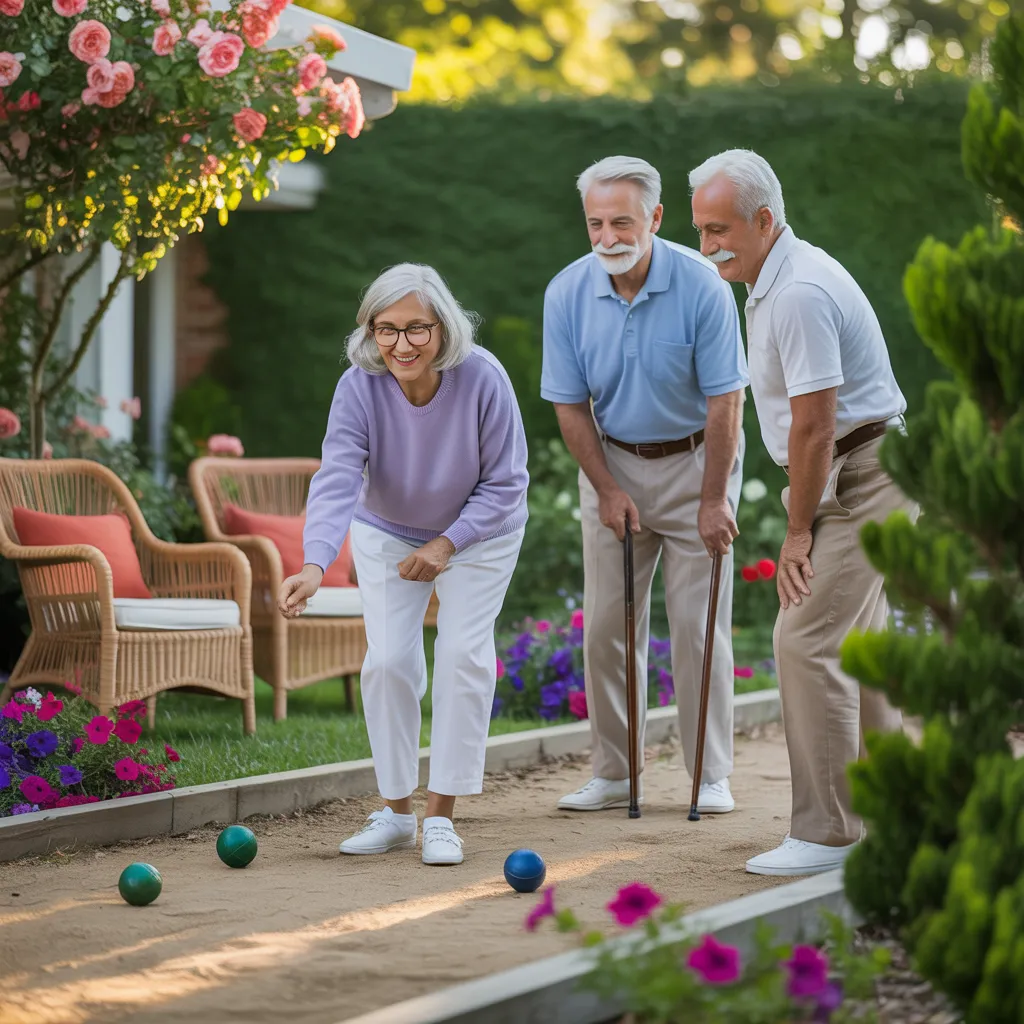
Handling Loss of Recall: Understanding Memory Care
Addressing cognitive impairment requires a nuanced understanding of memory care, as it covers assorted strategies tailored to distinct preferences. Memory care focuses on supporting aging adults with intellectual decline, such as Alzheimer's disease or other forms of memory disorders. This professional methodology aims to fashion a secure and ordered environment that promotes self-determination while ensuring the quality of life of residents.
Effective memory care solutions often incorporate individualized care plans, dynamic programs, and interventions aimed to strengthen mental acuity. Care providers finish advanced training to understand the complexities of cognitive decline and to engage effectively with clients. In addition, establishing meaningful relationships and psychological support is essential in boosting overall wellness for those affected. In essence, comprehending memory care requires recognizing the varied issues faced by persons with memory loss and the importance of specialized interventions to manage those challenges effectively.
Essential Components of Effective Memory Care Programs
Effective memory care programs include multiple key components that enhance the quality of life for seniors. Customized treatment strategies are crucial, as they address individual needs and preferences. Additionally, an engaging activities schedule and skilled personnel knowledge play significant roles in fostering a caring setting for individuals.
Personalized Care Frameworks
Personalized care plans stand as the cornerstone of effective memory care programs, designing support to the particular needs and preferences of each individual. These plans are developed through in-depth assessments, which evaluate cognitive function, medical history, and personal interests. This individualized approach confirms that caregivers can provide suitable and meaningful support, enhancing the quality of life for residents. Regular reviews of these care plans allow for adjustments based on the individual's changing needs and progress. Additionally, involving family members in the planning process enhances collaborative relationships and promotes a holistic understanding of the resident's background and preferences. Ultimately, personalized care plans are fundamental in addressing the complexities of memory care, ensuring that each resident receives compassionate and effective assistance.
Captivating Activities Schedule
thoughtfully designed schedule is critical for enhancing the standard of living
Experienced Staff Proficiency
Trained staff play a vital role in the outcome of memory care programs, ensuring that residents receive the specialized support they need. Their skillset includes understanding various forms of dementia and effective communication strategies adapted for individual residents. Ongoing training in behavioral management techniques boosts their ability to address challenging situations with understanding and patience. Additionally, staff members are equipped to implement personalized care plans that focus on the distinct needs and preferences of each individual. This specialized training fosters a comfortable and nurturing environment, promoting cognitive engagement and emotional well-being. Ultimately, the proficiency of trained staff not only improves the quality of care but also enriches the overall experience for residents, making them feel valued and understood.
How Tailored Care Enhances Results for Alzheimer's and Dementia
While many individuals with Alzheimer's and dementia encounter unique challenges, personalized assistance can greatly improve their quality of life. Individualized treatment strategies, developed based on personal needs and preferences, guarantee that each person receives the summary particular help that promotes their health and wellness. This method not only handles everyday activities but also emphasizes psychological and mental care.
key part in making life more manageable and enjoyable for those affected by Alzheimer's and dementia.
Picking the Right Memory Care Program for Your Loved One?
Determining the appropriate memory care facility requires a careful evaluation of the individual needs of your loved one. It is important to review the activities offered by each program and the extent they correspond with those needs. Also, accounting for the qualifications of the staff can be vital to ensuring quality support and assistance.
Evaluate Personal Requirements Initially
How can loved ones' relatives guarantee they choose the most appropriate memory care program for their family members? The initial stage requires a comprehensive assessment of personal requirements. Families should consider the particular mental difficulties their loved ones experience, as well as their bodily wellness, emotional state, and individual likes. Understanding the unique combination of these factors can help with identifying a program that aligns with their loved one's requirements. Additionally, families should assess the amount of support needed, including help with everyday tasks and any specialized medical support. Engaging in frank discussions with the loved one and consulting with healthcare professionals can better explain these needs, ensuring a more informed decision when selecting the appropriate memory care program.
Review Program Events Available
It is necessary to evaluate the activities offered by memory care programs to ensure they address the needs and preferences of residents. Participating in activities can stimulate cognitive function and encourage social interaction, which improves overall quality of life. Programs need to include a diverse range of activities suited to different cognitive levels, such as arts and crafts, music therapy, and guided reminiscence sessions. Outdoor activities and physical exercises are important for boosting physical health and mobility. Additionally, it is advantageous to evaluate whether the activities promote family involvement, encouraging connections between residents and their loved ones. Ultimately, a balanced schedule that focuses on both mental and physical engagement can greatly impact a resident's emotional well-being and fulfillment.
Examine Personnel Competencies Carefully
When evaluating a senior care community for a loved one, reviewing professional credentials is vital, as the training and expertise of care providers directly shape the level of care delivered. Interested families should question regarding the educational qualifications, licenses, and specialized training of personnel. Memory care programs with certified dementia specialists can deliver personalized care that fulfills particular needs. It is equally important to review caregiver-to-patient numbers, making sure sufficient care and monitoring. Moreover, ongoing professional development and training for caregivers show a dedication to upholding high standards of care. Loved ones should feel assured that their loved ones receive skilled care
Memory Care Programs That Improve Well-Being
Engaging in memory care activities can greatly enhance the quality of life of seniors facing cognitive challenges. These activities are designed to stimulate mental abilities, improve social engagement, and promote emotional health. Activities such as brain teasers, memory games, and reminiscence therapy foster mental engagement and help strengthen neural connections. Art and music therapy provide creative outlets, allowing seniors to communicate their feelings and connect with their emotions.
Physical pastimes, like gentle exercises or dance, not only improve mobility but also lift emotional state and reduce worry. Tending gardens and nature hikes can enhance sensory experiences and foster a feeling of fulfillment. Group activities, such as storytelling or cooking classes, promote social engagement, alleviating sense of disconnection. Ultimately, tailored memory care activities play an essential role in maintaining honor and enhancing the quality of life for seniors, providing them with meaningful experiences that foster delight and relationships in their daily lives.
How Loved Ones Aid with Memory Care
Family members undertake a primary role in supporting memory care, as their engagement can markedly improve the quality of life for seniors confronting cognitive issues. By maintaining consistent contact, families help seniors stay connected, alleviating sensations of social isolation that often accompany memory loss. Engaged participation in care protocols, such as supporting with daily activities and attending therapy sessions, nurtures a sense of security and reassurance.
Furthermore, family members can advocate for their loved ones, guaranteeing their needs and preferences are fulfilled within memory care programs. Sharing individual narratives and recollections can enhance cognitive engagement, rendering everyday exchanges more meaningful. Grasping the specific challenges of cognitive decline enables families to deliver tailored support, establishing a nurturing environment. In summary, the psychological and functional participation of family members is crucial, as it not only enriches the elderly person's quality of life but also fortifies family bonds throughout this difficult period.
Transformative Success Cases From Memory Support Programs
The contribution of household members in memory care not only strengthens the emotional well-being of aged persons but also facilitates exceptional breakthroughs within memory care programs. In one prominent case, a resident named Margaret, who presented acute nervousness, underwent a significant shift after her daughter began engaging in scheduled activities. Their shared experiences fostered a sense of comfort, producing stronger connections with staff and peers.
In the same way, a program in a local facility focused on personalized storytelling, allowing residents to share their life experiences with family. This project not only improved seniors' confidence but also deepened familial bonds, generating noticeable improvements in mood and cognitive engagement.
These success stories exemplify that when families become involved in memory assistance, they create an space that facilitates healing and growth, showcasing the profound impact of warmth and connection in specialized memory care settings.
Standard Questions Area
What Qualifications Must Staff Maintain in Memory Care Programs?
Caregivers in elderly support programs should acquire pertinent certifications in geriatric care or dementia care, competence in behavioral management, strong interaction abilities, empathy, and regular professional development to remain informed about best practices for aiding patients with memory loss.
In What Ways Do Memory Care Programs Deal With Medical Emergencies?
Memory care services typically put in place standards for medical emergencies that include workforce preparation, immediate access with healthcare providers, contingency procedures, and regular drills to guarantee preparedness for various critical situations affecting inhabitants' health.
Can You Have Pets at Memory Care Facilities?
Memory care facilities that are pet-friendly often understand how positively companions impact occupants' psychological health. These environments typically allow pets, supporting companionship and lowering anxiety for residents experiencing memory challenges.
What Is the Common Cost of Memory Support Options?
The average cost of memory care services varies from $3,000 to $7,000 per month, based on location, amenities, and level of care required, with many facilities offering various pricing structures to accommodate different needs.
In What Ways Should Families Interact With Staff About Their Family Member's Needs?
Families are able to engage successfully with staff by arranging frequent meetings, providing thorough observations, inquiring into their care strategies, and conveying their concerns. Honest discussion promotes cooperation and ensures that the loved one's needs are continuously addressed.